
Perennial grains are within reach
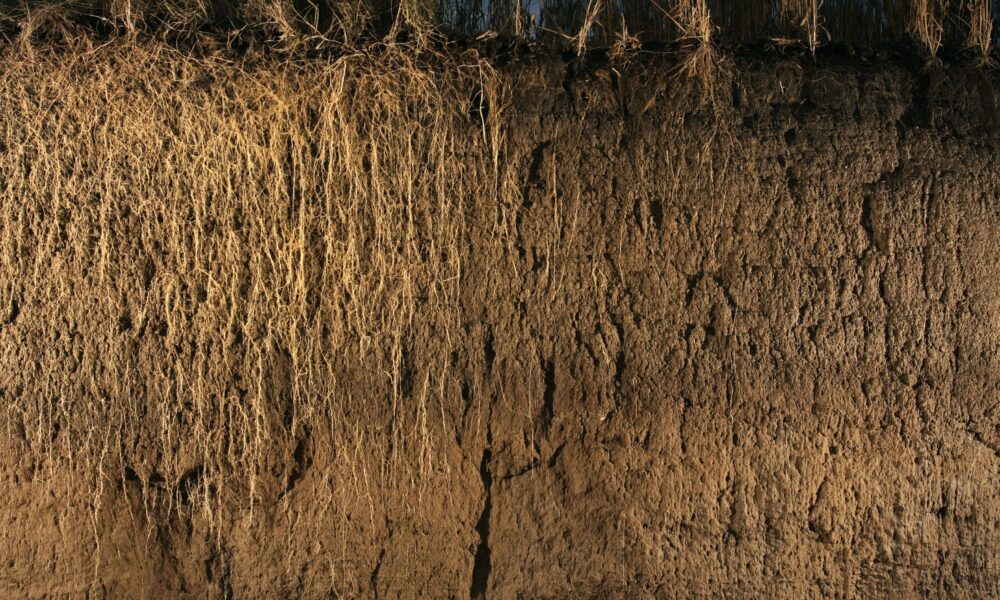
The vast majority of grains, which includes cereals, pulses, and oilseed crops – are annuals. That is, they are grown from seed every year. Farmers initiate annual crops by sowing seeds into fields that have been cleared of existing vegetation. If rains are favorable, the seeds germinate, and if weeds are kept at bay, the crop establishes, grows and matures. Some version of this cropping cycle has fed the majority of humans since Neolithic times, 10,000+ years ago.
When practiced on a limited scale and on suitable landscapes, grain agriculture has proven to be resilient and sustainable. However, soil degradation that resulted from the expansion of annual grains onto less resilient landscapes has contributed to the collapse of numerous civilizations including the Roman Empire.
And today, with more than eight billion people to feed, the human pressures on agricultural soils have never been greater. However, neither has humanity been in a better position to develop crops and cropping systems that could meaningfully address these existential challenges.
Subscribe to the magazine to read the full article
Other Articles

Bühler: historic owner dies at 82