Resilient wheat and quality of pasta: how new technologies will change the wheat supply chain
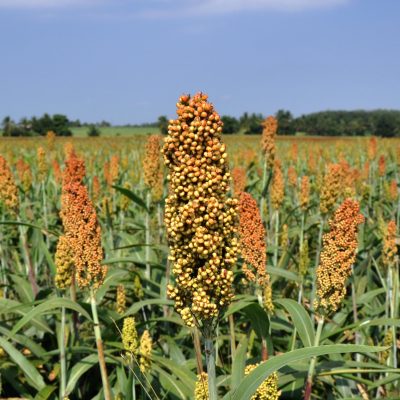
A vast wheat field sways golden under the warm embrace of the wind and the full light of the sun. The wheat ears move gently, telling an ancient story made of skilled hands, slow rhythms, and knowledge preserved over time through long-standing traditions. These traditions are made of passed-down gestures, seasons patiently observed, insights born from experience.
But today, alongside that ancient wisdom, walks science: satellites scan the fields from above, sensors hidden in the soil gather invisible data, algorithms help decide when to sow or irrigate. It’s not a contrast, but a meeting: tradition does not disappear – it transforms and engages in dialogues with science.
In every ripening wheat ear, past and future interweave in an uncommon harmony. In recent years, farmers and researchers have combined tradition and technology to make wheat more resilient, protect crops from unexpected events, and ensure that semolina becomes excellent pasta.
Today, wheat is one of the world’s major cereal crops and a key element in the daily diet, serving as the raw material for many widely consumed foods such as bread, pasta, and related products. However, its production is far from free of challenges. The intensifying effects of climate change, the spread of plant diseases, and the high variability in crop yields are all sources of instability that present significant challenges to the sustainability and efficiency of the entire supply chain.
Subscribe to the magazine to read the full article

Ralph Raulli and Los Angeles Macaroni
Perennial grains are within reach